
Αναγνώριση της επαγγελματικής ευκαιρίας

ΕΝΝΟΙΟΛΟΓΙΚΌΣ ΧΆΡΤΗΣ

40-60 λεπτά

-
Μεγάλα φύλλα χαρτιού (ελάχιστο μέγεθος Α3), λευκός πίνακας ή πίνακας παρουσίασης (flipchart).
-
Μαρκαδόροι και στυλό σε διάφορα χρώματα.
-
Αυτοκόλλητα χαρτάκια σε διάφορα χρώματα και, ενδεχομένως, σε διάφορα σχήματα, καθώς και αυτοκόλλητα.
-
Προαιρετικά: ταινία για την ανάρτηση των φύλλων χαρτιού στους τοίχους και αυτοκόλλητη μάζα στερέωσης.
Ποιο είναι το εργαλείο και ποιος είναι ο σκοπός και το πλεονέκτημα του;
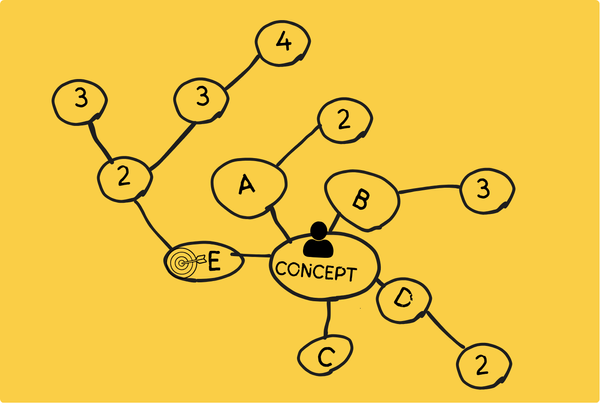
Ο Εννοιολογικός Χάρτης επικεντρώνεται στην κατανόηση και την οπτικοποίηση της σχέσης μεταξύ μιας συγκεκριμένης θέσης εργασίας και των ικανοτήτων και του δυναμικού ενός υποψηφίου. Βοηθά να προσδιοριστεί αν η θέση εργασίας είναι ενδιαφέρουσα, αν ο υποψήφιος είναι κατάλληλος για αυτήν και αν μπορεί να αποτελέσει μια πιθανή ευκαιρία απασχόλησης και επαγγελματικής εξέλιξης. Αντί να παραθέτει απλώς πληροφορίες, ο εννοιολογικός χάρτης νου αποκαλύπτει κρυφά κενά και σχέσεις μεταξύ δεξιοτήτων, εμπειριών και ικανοτήτων, μετατρέποντας αυτά τα ευρήματα σε ευκαιρίες.
Βήματα για τη χρήση αυτού του εργαλείου
Βήμα 1
Βρείτε τη θέση εργασίας για την οποία θέλετε να υποβάλετε αίτηση και εξετάστε τις απαιτήσεις της. Μπορείτε να χρησιμοποιήσετε μια υπάρχουσα ή μια παλαιότερη αγγελία εργασίας, ώστε να αποκτήσετε μια γενική εικόνα του ρόλου. Σχεδιάστε έναν κύκλο στο κέντρο ενός φύλλου χαρτιού και γράψτε μέσα σε αυτόν τις πληροφορίες σχετικά με τη θέση εργασίας.
Βήμα 2
Εξετάστε τα αποτελέσματα των Φάσεων 1 και 2 και επιλέξτε τις σημαντικότερες δεξιότητες, γνώσεις, εμπειρίες, αξίες και προσωπικά χαρακτηριστικά σας που είναι πιο ουσιώδη για τον συγκεκριμένο ρόλο. Μπορείτε είτε να διατηρήσετε αυτές τις πληροφορίες σε ξεχωριστό αρχείο είτε να σχεδιάσετε έναν μεγαλύτερο κύκλο γύρω από τον κεντρικό, δημιουργώντας δύο ομόκεντρους κύκλους. Προσθέστε τις βασικές σας ιδιότητες και τα δυνατά σας σημεία στον εξωτερικό κύκλο.
Βήμα 3
Στην κορυφή του φύλλου γράψτε το καθοδηγητικό ερώτημα:
«Πώς αντιστοιχούν η εμπειρία και οι δεξιότητές μου στις απαιτήσεις της θέσης [όνομα θέσης];»
Βήμα 4
Προσθέστε τις αρχικές σας ιδέες σχετικά με το πώς οι δεξιότητές σας ανταποκρίνονται στις απαιτήσεις της θέσης, με τη μορφή κλάδων γύρω από τον κεντρικό κύκλο. Προσθέστε έξι έως οκτώ ιδέες, όπως «Απαιτήσεις εργοδότη», «Οι ικανότητές μου» και «Αποδείξεις επιτυχίας». Αυτές αποτελούν τους αρχικούς εννοιολογικούς κλάδους, τους οποίους μπορείτε να διαφοροποιήσετε χρησιμοποιώντας διαφορετικά χρώματα ή κάποια άλλη οπτική μέθοδο.
Βήμα 5
Αναπτύξτε περαιτέρω κάθε κλάδο εξερευνώντας τον σε μεγαλύτερο βάθος. Εστιάστε κάθε φορά σε έναν μόνο κλάδο και αναπτύξτε τον όσο χρειάζεται. Χρησιμοποιήστε λέξεις-κλειδιά, σύντομες φράσεις και οπτικά στοιχεία, ώστε ο χάρτης να παραμένει σαφής και εύχρηστος.
Βήμα 6
Χρησιμοποιήστε συνδετικές φράσεις για να αποσαφηνίσετε τις σχέσεις μεταξύ των εννοιών. Γράψτε τις πάνω στις γραμμές ή στα βέλη που συνδέουν τα διαφορετικά μέρη του χάρτη. Οι σχέσεις πρέπει να αποδίδονται με σαφήνεια και να δείχνουν αιτιώδη ή λογική σύνδεση (για παράδειγμα, «αυτό οδηγεί σε εκείνο»). Ενδεικτικά παραδείγματα είναι: «Το Χ επιλύει το πρόβλημα», «Το Χ αποκτήθηκε κατά τη διάρκεια...», «Το Χ παρέχει τη δυνατότητα να...» ή «Το Χ αποτελεί απόδειξη ότι...». Μια συνδετική φράση θα μπορούσε να είναι, για παράδειγμα: «Η εμπειρία μου στο Χ επιβεβαιώνει ότι η διαχείριση έργων είναι απαραίτητη για τις απαιτήσεις μιας διοικητικής θέσης.»
Βήμα 7
Εντοπίστε και σχεδιάστε διασυνδέσεις μεταξύ των κλάδων. Αυτές δείχνουν πώς διαφορετικές δεξιότητες, εμπειρίες και τομείς γνώσεων αλληλοϋποστηρίζονται και αναδεικνύουν συνδυασμένες ικανότητες. Για παράδειγμα, εξετάστε αν μια οριζόντια (soft) δεξιότητα, όπως η επικοινωνία, σε έναν κλάδο υποστηρίζει μια συγκεκριμένη τεχνική (hard) δεξιότητα, όπως η μηχανική, σε κάποιον άλλο.
Βήμα 8
Αξιολογήστε τον βαθμό στον οποίο ανταποκρίνεστε στις απαιτήσεις της θέσης εργασίας. Εξετάστε κατά πόσο οι δεξιότητες, οι γνώσεις, οι ικανότητες και τα υπόλοιπα χαρακτηριστικά σας αντιστοιχούν στις απαιτήσεις της συγκεκριμένης θέσης.

Συμβουλές και μυστικά για την χρήση του εργαλείου
Αναφορές:
-
Canva. (n.d.). Mind maps. https://www.canva.com/graphs/mind-maps/
-
Cornell University Learning Strategies Center. (n.d.). Concept maps. https://lsc.cornell.edu/how-to-study/concept-maps/
-
Creately. (n.d.). Concept map vs mind map: What’s the difference? https://creately.com/guides/concept-map-vs-mind-map/
-
Learning Center, University of North Carolina at Chapel Hill. (n.d.). Using concept maps. https://learningcenter.unc.edu/tips-and-tools/using-concept-maps/
-
Sprouts. (2018). How to make a concept map [Video]. YouTube. https://www.youtube.com/watch?v=iIXX7sekFJE
Άλλα εργαλεία αυτής της φάσης

Ανάπτυξη και οργάνωση ιδεών για ευκαιρίες επαγγελματικής εξέλιξης

Μια οπτική απεικόνιση κρυφών επαγγελματικών ευκαιριών

Αντικατάσταση, συνδυασμός, προσαρμογή, τροποποίηση, αξιοποίηση για άλλη χρήση, εξάλειψη και αντιστροφή στοιχείων επαγγελματικής ανάπτυξης
Μια οπτική απεικόνιση της σταδιοδρομίας, των θέσεων εργασίας και των κλάδων ενδιαφέροντος


Τα απαραίτητα, τα επιθυμητά, τα προαιρετικά και όσα δεν θα περιλαμβάνονται σε μια εργασία ή μια επαγγελματική πορεία.

Μια οπτική σύγκριση των δυνατοτήτων σας ως υποψηφίου για θέση εργασίας

Διερεύνηση της αξίας του επαγγελματικού ταλέντου
Καθορισμός της πρόκλησης και του σκοπού για την ανάπτυξη της επαγγελματικής πορείας


Οργάνωση όλων των πληροφοριών που σχετίζονται με τη σταδιοδρομία

Οργάνωση όλων των πληροφοριών που σχετίζονται με τη σταδιοδρομία

Ένα απλοποιημένο πρωτότυπο για τη διερεύνηση μελλοντικών επαγγελματικών διαδρομών